Acupuncture for Bell's Palsy: How It Can Support Your Recovery
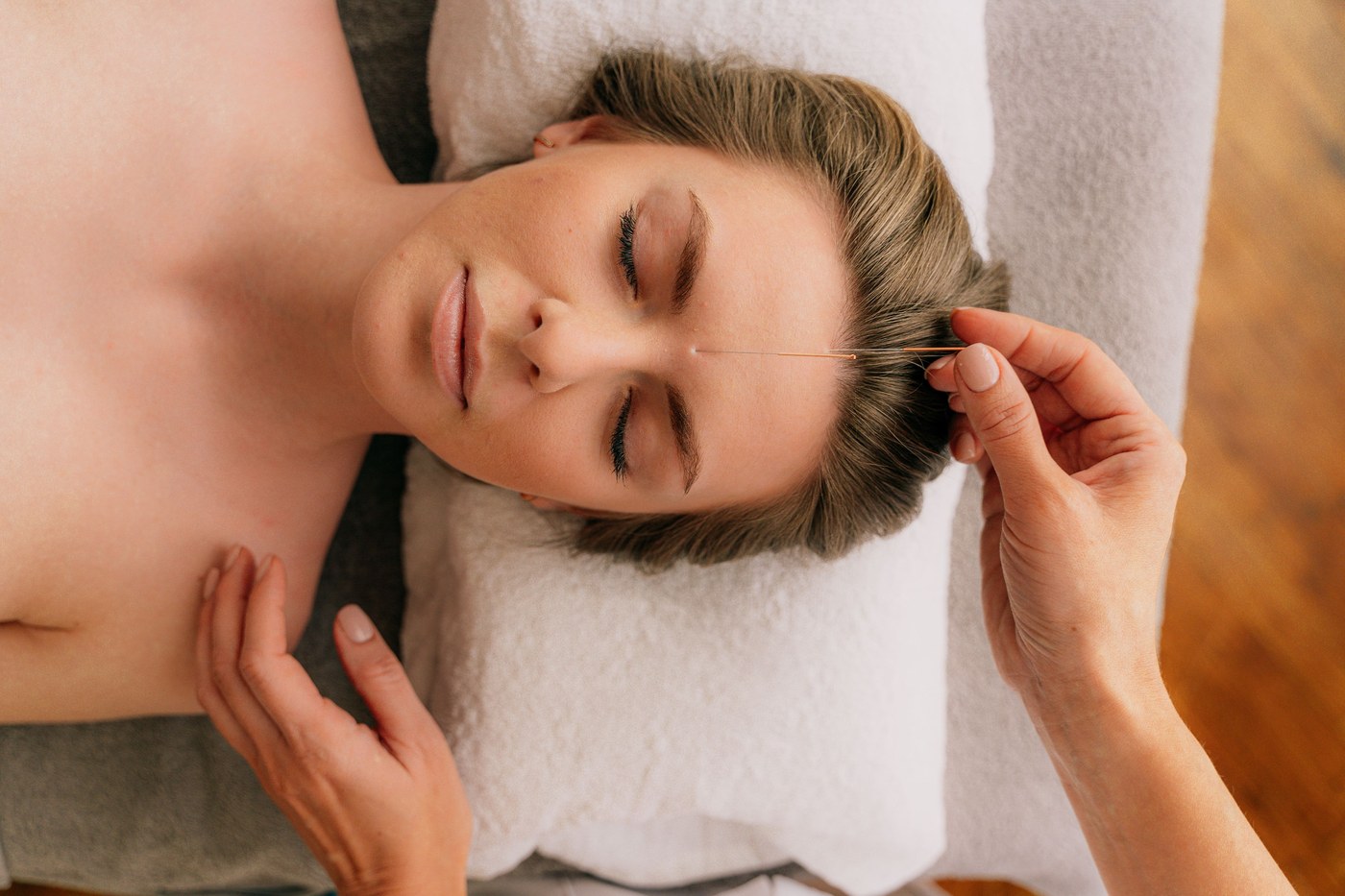
Waking up and noticing that one side of your face won't cooperate, an eye that won't fully close, a smile that pulls to one side, or a mouth that won't hold water, is frightening. It's also more common than people realize. Bell's palsy affects roughly 1 in 60 people at some point in their lives. Here's what it is, why it happens, and how acupuncture can support your recovery once you've been evaluated.
First: Rule Out Stroke
Before anything else, sudden facial drooping or weakness needs emergency evaluation. Stroke and Bell's palsy can look nearly identical in the first moments, and only a medical professional can tell the difference with the right testing. If you or someone you're with suddenly develops facial drooping, especially alongside slurred speech, arm weakness, or confusion, call 911 or get to an emergency room immediately. Once stroke has been ruled out and Bell's palsy is confirmed, supportive therapies like acupuncture become a reasonable next step.
What Is Bell's Palsy?
Bell's palsy is a sudden, temporary weakness or paralysis of the muscles on one side of the face, caused by inflammation or compression of the facial nerve (the nerve responsible for controlling facial expression). It typically comes on quickly, often over just a few hours, and can affect the ability to close one eye, smile evenly, raise an eyebrow, or control drooling on the affected side.
The exact cause isn't always clear, but it's frequently linked to viral infections that cause the facial nerve to swell and become compressed as it travels through a narrow bony canal in the skull. Pregnancy, diabetes, and upper respiratory infections are all associated with a higher risk.
What Recovery Usually Looks Like
The good news is that most people recover well. Many notice improvement within the first few weeks, and roughly 70% regain full or nearly full facial function within three to six months. Starting treatment early is generally associated with better outcomes, which is why timing matters as much as the treatment itself.
How Acupuncture Can Help
Acupuncture has long been used to support facial nerve recovery, and a growing body of research backs it up as a helpful complement to conventional medical care.
- Reducing inflammation around the facial nerve. Targeted acupuncture points can help calm the local inflammation contributing to nerve compression, which may support the nerve's return of function.
- Improving local circulation. Acupuncture increases blood flow to the treated area, which can help deliver oxygen and nutrients that support nerve healing.
- Stimulating the facial muscles and nerve pathways. Gentle stimulation near the affected muscles may help maintain muscle tone and encourage the nerve signals needed to "wake up" weakened areas during recovery.
- Supporting more even, symmetrical healing. Working both the affected and unaffected sides of the face can help prevent the compensatory patterns that sometimes lead to long-term asymmetry or unwanted muscle contractures (synkinesis) after the nerve has healed.
Acupuncture works alongside whatever your physician has already prescribed, such as steroids or antivirals, rather than replacing that care. Most patients see it as one part of a broader recovery plan.
What Treatment Looks Like at Grounded Wellness
Once you've been evaluated and Bell's palsy has been confirmed, Dr. Crystal Corona or Dr. Crystal Venturino will start with a conversation about your diagnosis, timeline, and any treatment you're already receiving. Sessions typically combine very fine needles placed around the face, near the eye, cheek, and jaw, with supporting points elsewhere on the body to encourage overall nervous-system balance. Because timing matters with facial nerve recovery, we'll talk through a realistic visit frequency based on how soon after diagnosis you're starting care.
Frequently Asked Questions
Should I go to the ER for facial drooping? Yes, the first time you notice sudden facial drooping or weakness, seek emergency evaluation right away. Stroke and Bell's palsy can look similar at first, and a doctor needs to rule out stroke before anything else. Once Bell's palsy is confirmed, therapies like acupuncture can be a helpful part of your recovery plan.
How soon after diagnosis should I start acupuncture? Many patients see the best results when acupuncture starts within the first one to two weeks after diagnosis, alongside whatever your physician has prescribed, though it can still be worthwhile later in the recovery window.
Is facial acupuncture painful? No. The needles used on the face are extremely fine, and most patients describe the sensation as a light tap or tingle rather than pain. Many find the sessions relaxing.
How long does Bell's palsy recovery take? Most people begin noticing improvement within a few weeks, and the majority recover most or all facial function within three to six months. Recovery time varies, and starting supportive care early tends to lead to better outcomes.
Ready to Support Your Recovery?
If you've been diagnosed with Bell's palsy and you're looking for supportive care to add to your recovery plan, we'd love to help. Gentle, consistent acupuncture care can be a meaningful part of getting your smile, and your confidence, back.
This blog post is for informational purposes only and is not intended as medical advice. Sudden facial drooping or weakness requires prompt medical evaluation. Please consult with a qualified healthcare provider for diagnosis and personalized treatment recommendations.
Have questions? We're here to help.
Book an appointment or reach out to learn how gentle, personalized care can support you.